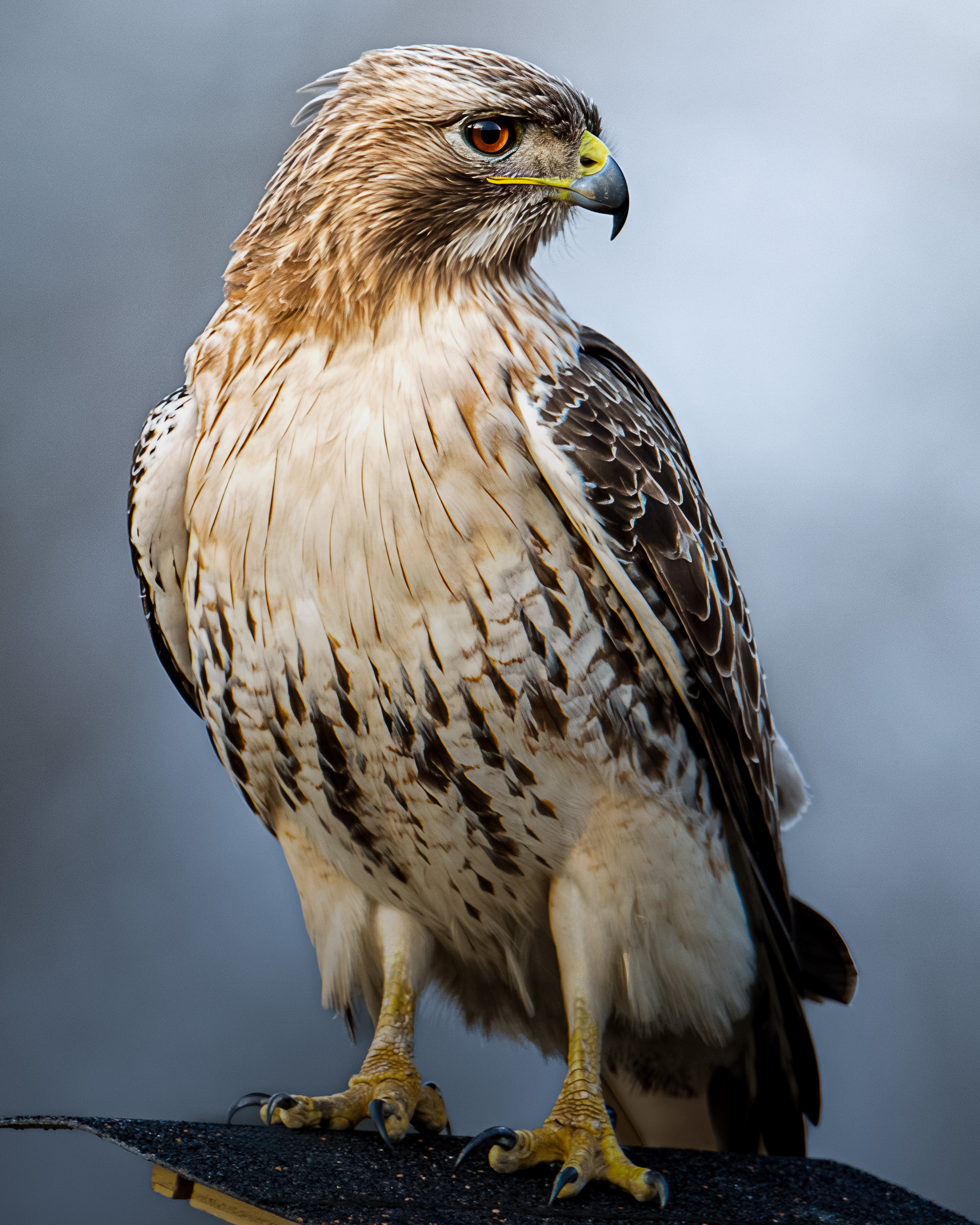
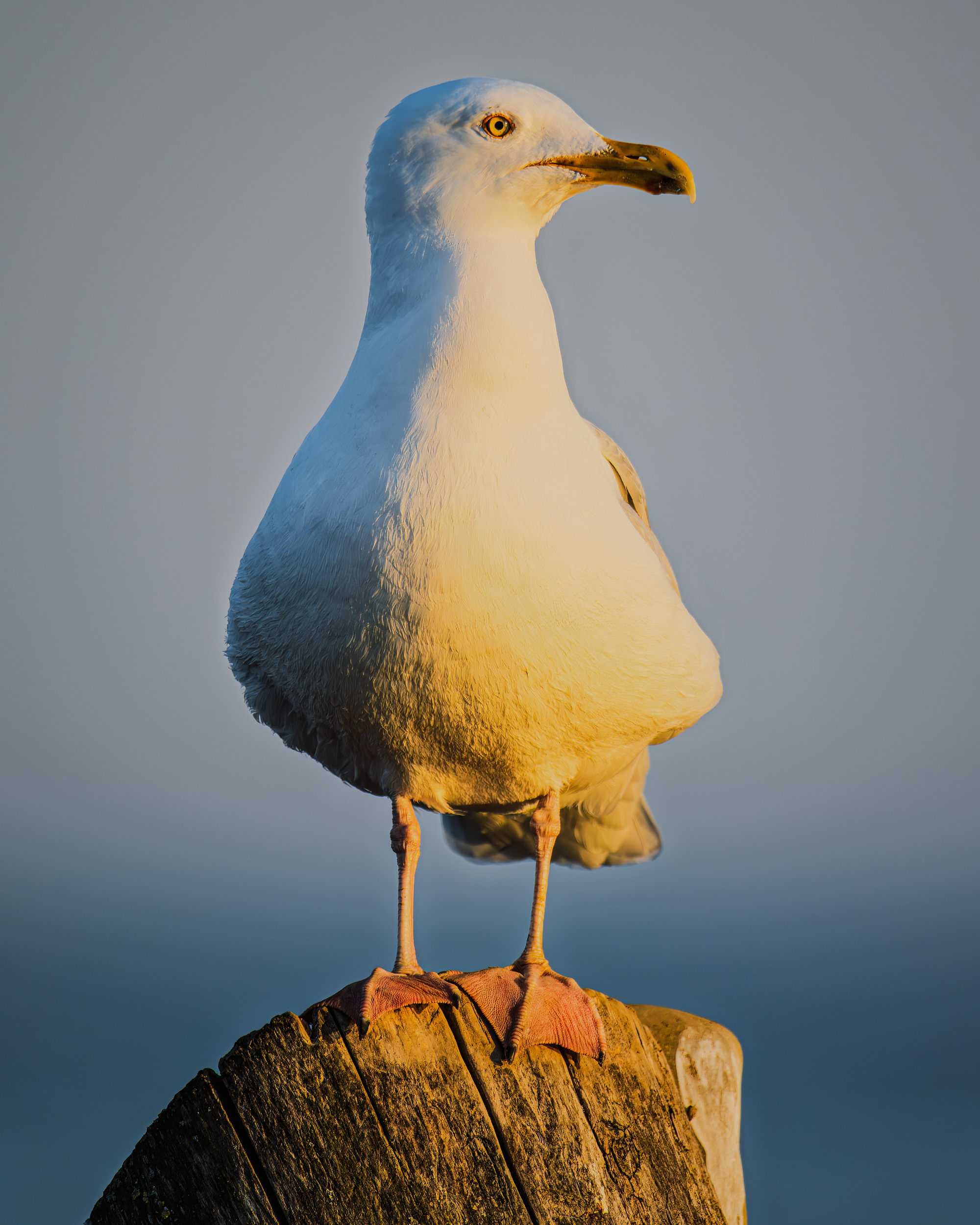
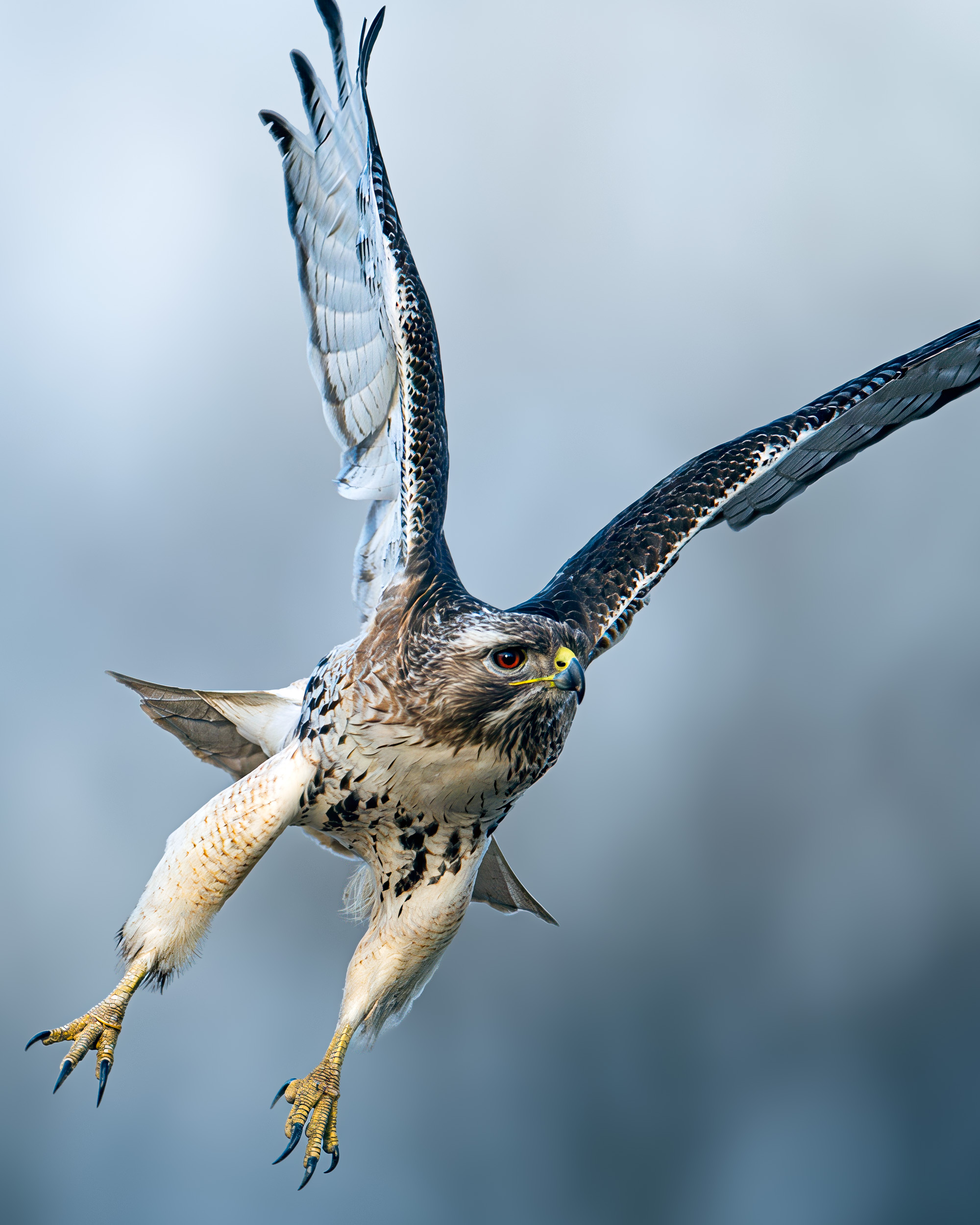
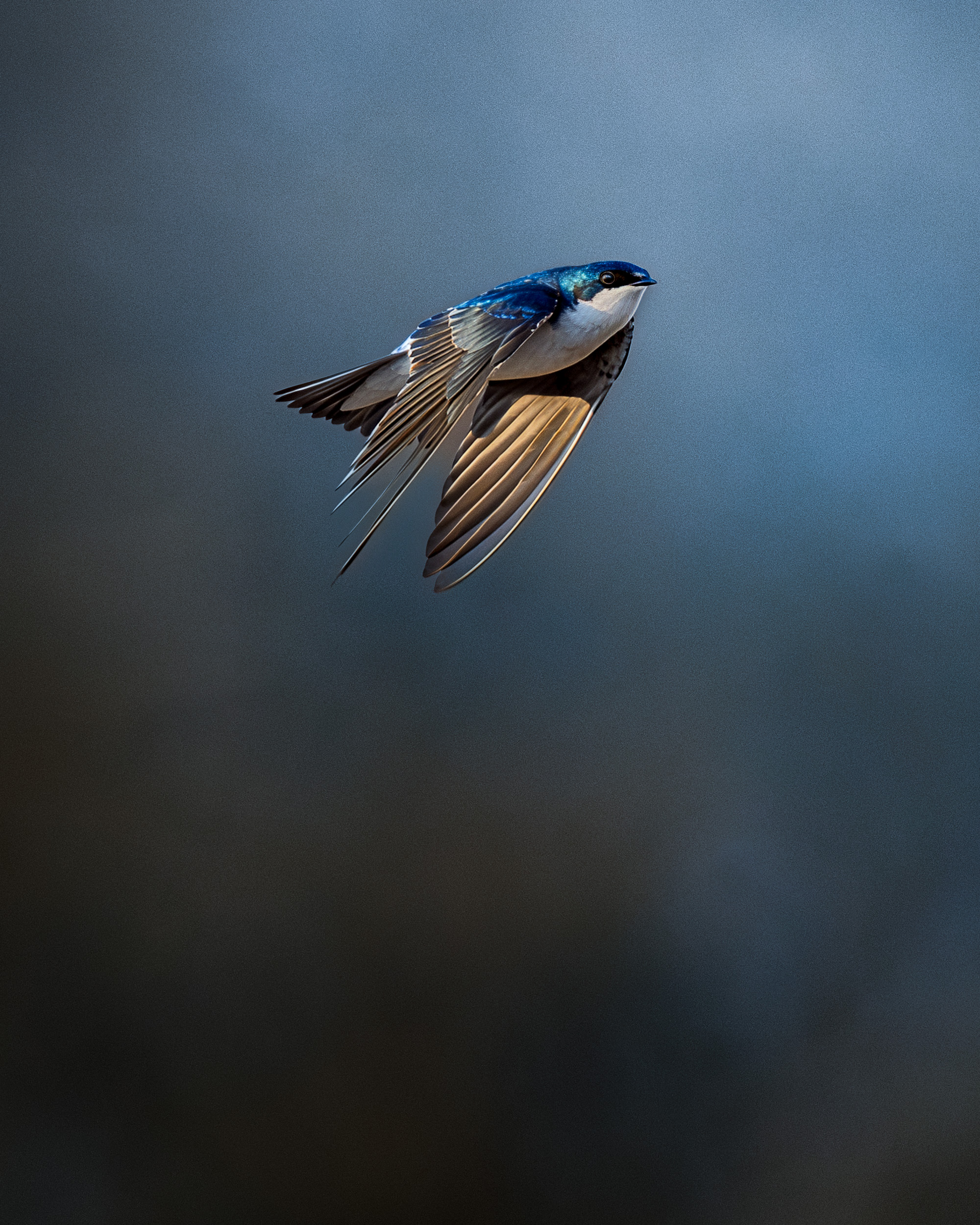
Once upon a time, I dreamed of owning a big exotic wildlife lens. You know, the kind, those mythical f/4 or 2.8 bazookas that nature photographers cradle like precious babies while crawling through swamps at dawn. The problem? They cost more than a used car. A nice used car. I had mentally filed those lenses under “Things I Will Never Afford,” right between “Beachfront Property” and “Functional Knees After Age 40.”
And yet… here I am. The proud owner of a Nikon 600mm f/4G VR. Before you assume I robbed a bank or sold a kidney, let me explain: I got it for a ridiculously good price. Why? Because it’s from 2007. That’s right, this thing was designed back when 12 megapixels was considered “pro-level,” and the iPhone camera still looked like it had been smeared with Vaseline.
So here’s the rub: plop a lens made for 12 megapixels onto a modern 46MP camera, and suddenly things start looking… soft. Not “romantic glow” soft, more like “shot through a Tupperware lid” soft. Images full of potential, but they don't have the crisp detail you’d expect from something that weighs more than a bowling ball and looks like it could detect asteroids.
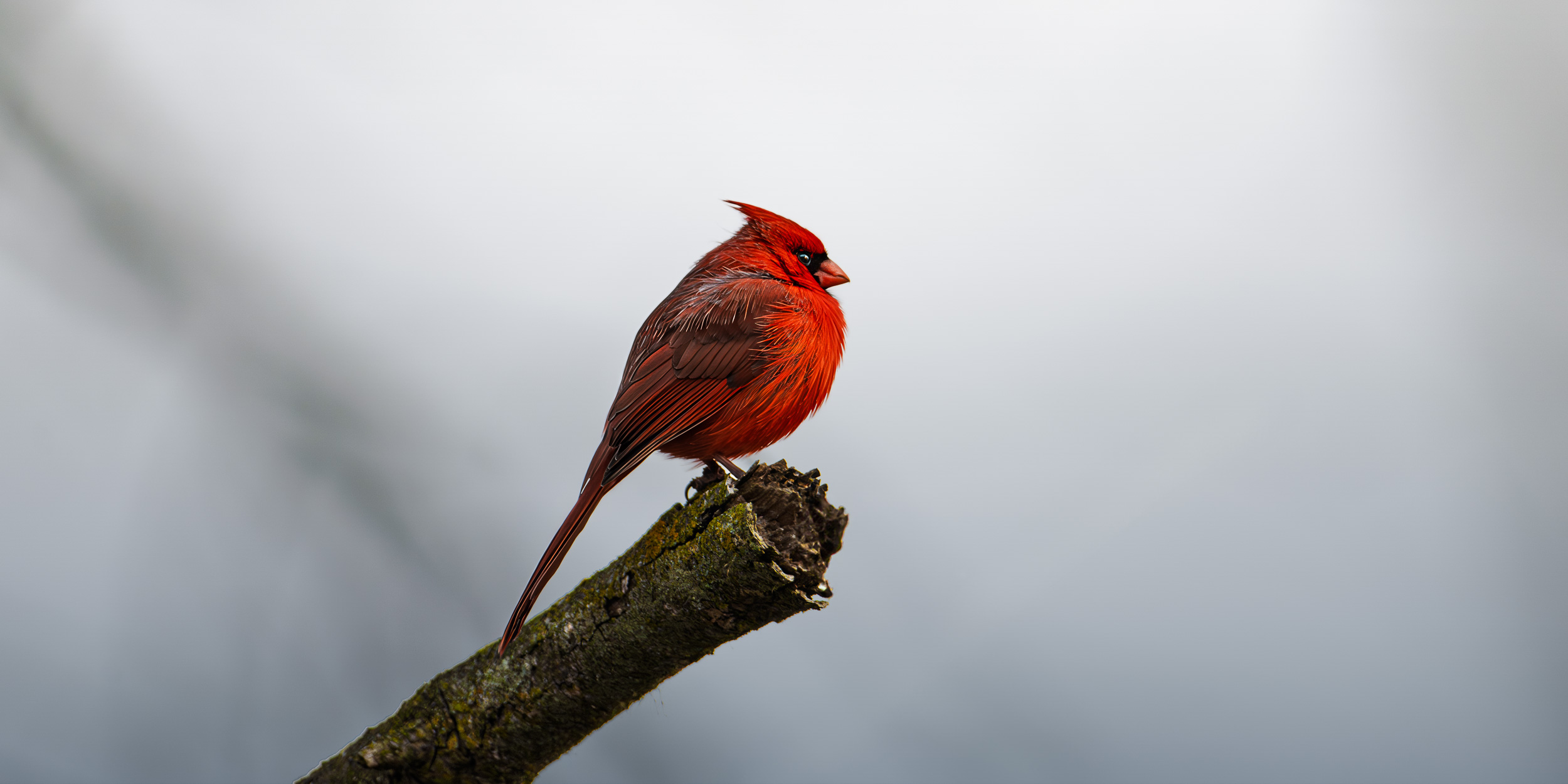
Now, old-school sharpening techniques do okay. You can crank up the edge contrast, boost the clarity, and make your photo look… well, “crispy.” Like deep-fried detail. McDetail, if you will. Edges glow like radioactive outlines, and everything feels a little too crunchy.
But AI sharpening? That’s black magic. AI tools have changed the game. These things don’t just sharpen, they analyze. They look at the fuzzy areas of your photo and go, “Ah, I see what you were going for,” and then reconstruct it. Like a digital CSI artist restoring evidence. Except instead of solving crimes, it’s saving your slightly mushy photo of a seagull sneezing mid-flight.
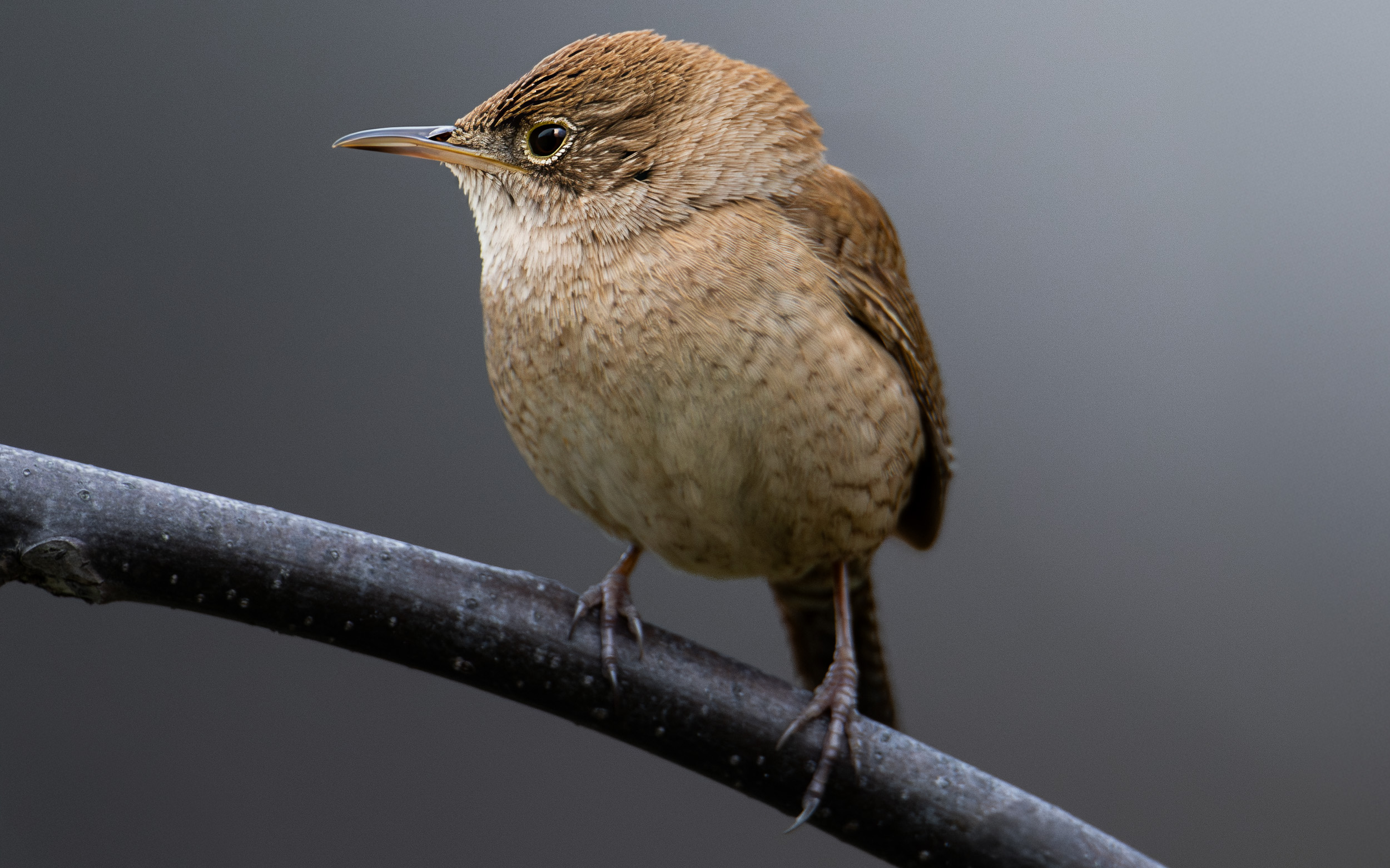
My go-to tool is Topaz Photo AI. (not sponsored). Topaz Photo has two main features to recover sharpness
-
Sharpen (Standard) or Lens Blur V2 for the everyday stuff. These work great as long as you dial the strength down because the default settings can turn a warbler into a wax figurine.
-
Super Focus, which is like calling in the AI cavalry when a shot is just a little too soft or slightly missed focus. It’s hit-or-miss (mostly miss), but sometimes it pulls off miracles. Like, “This image was legally dead, but now it’s breathing” miracles.
Before you go dropping AI sharpness on everything, a few pro tips from someone who has made all the mistakes:
-
Mask selectively. Topaz will attempt to “fix” everything, including the beautiful background bokeh, which results in weird, waxy bushes and textures that resemble those carved from soap.
-
Don’t get lazy in the field. AI sharpness is not a substitute for good technique. It’s a booster, not a saviour. Garbage in still equals uncanny valley out. If your photo is a complete blur, no AI on Earth will turn it into something that doesn’t look like a taxidermy hallucination. (yet... but if you are looking AI to do all the work for you, sell your camera gear and get a subscription to MidJourney)
-
Accept that it’s not perfect. At 100% zoom, an image sharpened with AI still doesn’t quite match the clean detail of a shot taken with a modern $20,000 lens. However, unless your audience is inspecting your prints with a microscope, it’s more than sufficient.
Thanks to AI, my humble, budget-friendly 600mm f/4 lens is now capable of producing high-resolution, detailed wildlife photos that I never thought were possible without taking out a mortgage.
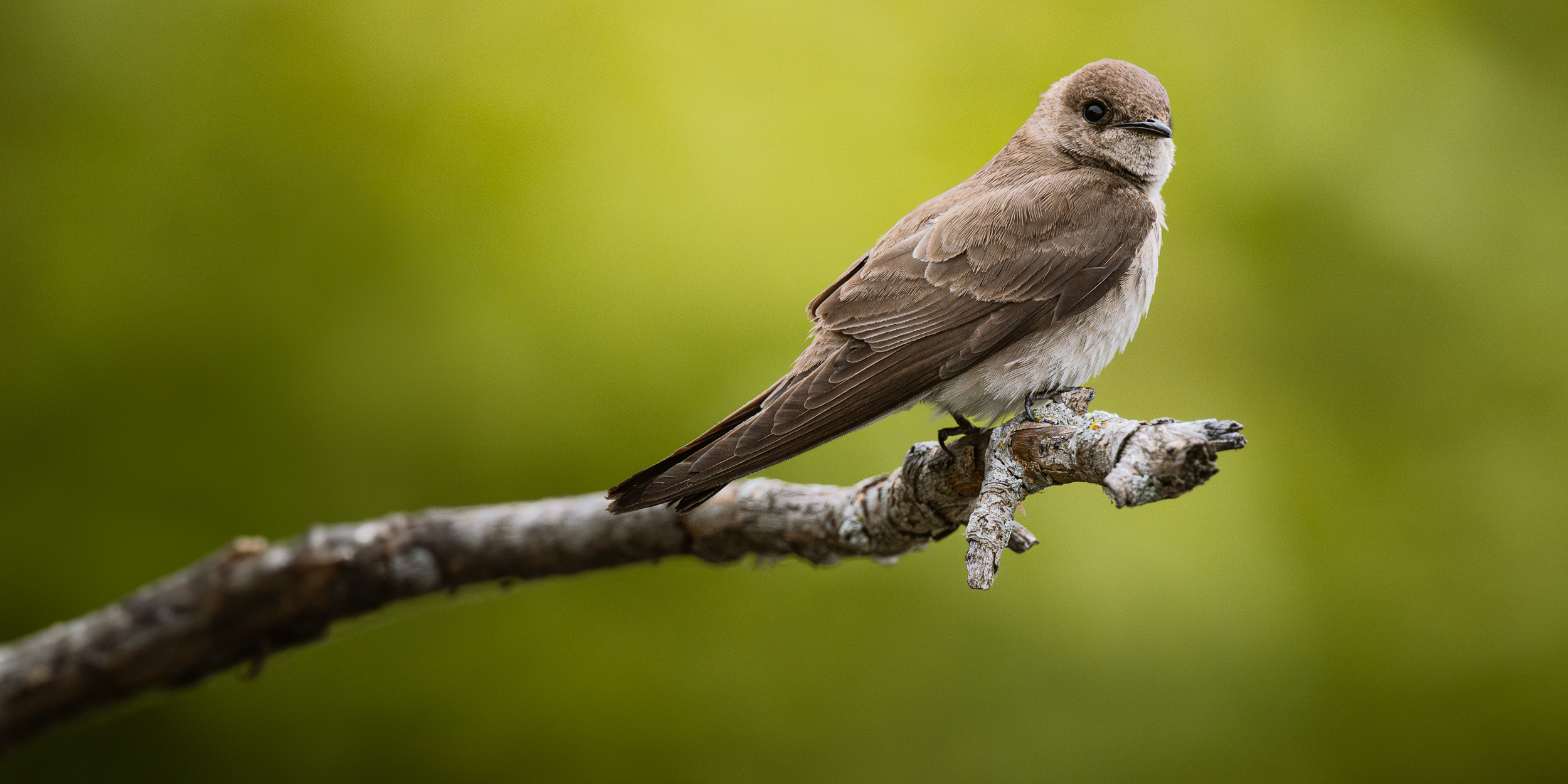
Even teleconverters, those image-softening magnifying glasses we bolt onto our lenses when we’re desperate, can now be used without fear. AI can bring back some of that sharpness lost to the dark gods of physics.
More than ever before, wildlife photographers aren’t limited by gear. You don’t need to drop five figures on the latest lens to create great work. With a decent used lens, good field craft, and a bit of AI magic, you can turn “outdated” into “underrated.”
So, no, my $3,000 lens isn’t as sharp as the latest $20,000 version. But with a little help from the robots, it’s sharp enough that an otherwise fantastic image can still stand strong.
Now if you’ll excuse me, I have to go take more bird photos and pretend I meant to do all this on purpose.